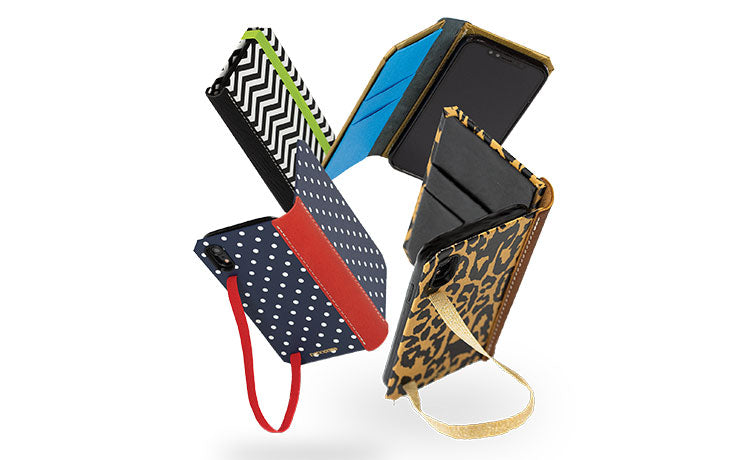

Your smartphone display is the most fragile component of your device, making proper defense a daily necessity. A single accidental drop onto pavement can easily result in a costly repair bill or a spiderwebbed screen that completely hinders usability.
Finding the right protection usually comes down to choosing between rigid tempered glass and various flexible plastic alternatives. Both options present distinct trade-offs, ranging from impact absorption and scratch resistance to daily tactile feel and display clarity.
Key Takeaways
- Tempered glass provides superior impact protection because it is designed to crack sacrificially, absorbing direct drop forces that would otherwise shatter the display underneath.
- Plastic protectors made of thermoplastic polyurethane (TPU) have self-healing properties that allow minor scuffs, fingernail marks, and indentations to gradually fade away over time.
- Tempered glass retains native screen clarity and a smooth, low-friction glide, whereas TPU plastic can feel slightly rubbery or cause minor visual haziness under bright light.
- Rigid glass protectors are prone to edge-chipping from minor bumps, while flexible plastic films never crack but can gradually discolor, turn yellow, and peel at the edges.
- Flexible TPU films conform well to contoured, curved phone displays, whereas rigid tempered glass often struggles to adhere to curved edges, causing a halo effect.
Material Composition and Types
Selecting the right screen protector requires a basic comprehension of what these accessories are actually made of. While they all serve to protect your phone, the raw materials and manufacturing methods used to produce them vary significantly.
These differences directly dictate how the final product performs under daily stress.
Tempered Glass Protectors
Tempered glass protectors are manufactured using controlled thermal and chemical treatments to increase their strength compared to normal glass. During production, the glass is heated to extreme temperatures and then rapidly cooled.
This process creates internal tension, making the material highly resistant to shattering. Structurally, a typical tempered glass protector features a multi-layered design.
The bottom layer consists of a silicone adhesive that bonds to the phone screen. Above that is a thin layer of polyethylene terephthalate (PET) film for structural integrity, followed by the tempered glass itself.
Finally, the top surface is treated with an oleophobic coating to repel fingerprint oils and smudges.
Polyethylene Terephthalate (PET) Plastic Protectors
Polyethylene Terephthalate, commonly known as PET, is a specific type of polyester film. In the context of screen protection, it consists of a highly rigid polyester sheet paired with a matte or glossy scratch-resistant coating on one side and a silicone adhesive on the other.
These protectors are exceptionally thin and lightweight, making them barely noticeable once applied. Because PET is relatively simple to manufacture, these options are generally very inexpensive and are often sold in multi-packs for budget-conscious users.
Thermoplastic Polyurethane (TPU) Plastic Protectors
Thermoplastic Polyurethane, or TPU, is a chemically enhanced plastic alloy known for its elasticity and toughness. Unlike rigid PET plastic, TPU is flexible and rubbery, allowing it to absorb impacts without cracking.
The material is chemically treated to improve its optical clarity and scratch resistance. Because of its elastic properties, TPU can stretch and bend, providing a unique texture and impact-absorbing qualities that set it apart from both tempered glass and standard plastic films.
Protective Capabilities: Drops vs. Scratches

The main reason to install a screen protector is to shield your device from physical damage. However, different materials excel at defending against different types of damage.
Comparing how glass and plastic handle drops and daily wear reveals distinct performance profiles for each.
Impact and Drop Protection
Tempered glass is highly effective at absorbing major impacts. When a device falls face down, the tempered glass protector is designed to absorb the shock of the impact by cracking intentionally.
This sacrificial cracking disperses the energy of the fall across the protector, preventing the force from reaching the phone's actual display. In contrast, plastic protectors lack this structural rigidity.
While PET and TPU films can protect against minor bumps, they have limited capacity to disperse heavy, direct impact forces. Under a severe drop, the force can pass straight through the plastic layer, leaving the underlying glass screen vulnerable to shattering.
Scratch Resistance and Hardness Ratings
The Mohs Hardness Scale measures the scratch resistance of minerals and materials from one to ten. Tempered glass typically scores a nine on this scale, meaning it can only be scratched by materials harder than itself, such as sapphire or sand.
Common household items like brass keys, copper coins, and steel blades will not leave a mark on a quality glass protector. Plastic protectors score much lower, usually around a three or four.
Consequently, daily items like coins in your pocket or even fingernails can easily leave permanent scratches on a PET or TPU surface over time.
The Self-Healing Phenomenon
One notable advantage of TPU plastic is its self-healing capability. Because of its elastic chemical structure, TPU can absorb minor indentations and micro-scratches and gradually return to its original shape.
Over a few hours or days, warmth from the air or your hands helps the material relax, making shallow scuffs and fingernail marks fade away. Tempered glass and rigid PET plastic completely lack this ability; once they are scratched or chipped, the damage is permanent.
The Daily User Experience: Feel, Clarity, and Responsiveness

Beyond protecting your device, a screen protector alters how you interact with your phone every day. The material you choose affects everything from the vividness of your display to the physical sensation of swiping across the screen.
Display Clarity and Visual Quality
Tempered glass offers exceptional light transmittance, typically allowing over ninety-nine percent of light to pass through. This high level of transparency preserves the original screen brightness and color accuracy of high-resolution displays.
Plastic protectors, particularly older or cheaper PET models, can sometimes cause a minor haziness. Additionally, some plastic films can create a noticeable rainbow effect under bright light, which alters the display's color representation and reduces overall visual clarity.
Tactile Feel and Touch Sensitivity
Because tempered glass is real glass, it feels virtually identical to the phone's native screen. Swiping across a tempered glass protector is smooth and friction-free, maintaining natural touch sensitivity.
Plastic protectors, especially TPU, have a distinctly different texture. TPU can feel slightly rubbery or resistant to the touch, which some users find disruptive during fast typing or gaming.
PET plastic is smoother than TPU, but it still lacks the cold, premium feel of polished glass.
Resistance to Smudges, Oils, and Fingerprints
High-quality tempered glass protectors feature an oleophobic coating. This oil-repellent layer makes it difficult for fingerprints and facial oils to stick to the surface, and any smudges that do appear can be easily wiped away.
However, this coating is temporary and gradually wears off over several months of use. Plastic materials generally lack effective oleophobic properties, meaning they tend to collect oils much faster and require more frequent cleaning with microfiber cloths to remain clear.
Installation, Lifespan, and Value

Getting a screen protector onto your phone and keeping it in good condition requires a look at both the initial application process and the long-term durability of the material. Different materials demand different installation methods and wear down in distinct ways over time.
Application Process and Ease of Installation
The rigidity of tempered glass makes dry-alignment methods relatively straightforward. Because the glass does not bend, you can align it with the edges of your screen and let the silicone adhesive slowly spread across the display, which minimizes air bubbles.
PET plastic also uses a dry-alignment method, but its flexibility makes it trickier to apply without trapping dust or creating air pockets. TPU protectors often utilize a wet-install method.
This process involves spraying a liquid solution onto the adhesive side of the protector before placing it on the screen. The wet solution allows you to slide the film into perfect alignment and squeegee out excess liquid, ensuring a dust-free and bubble-free finish once dry.
Wear, Tear, and Aging Over Time
While tempered glass excels in impact resistance, it is vulnerable to edge-chipping and cracking from minor bumps. A small impact against a table edge can cause hairline cracks that expand over time, requiring you to replace the entire protector.
Plastic protectors do not crack or shatter, making them highly resilient against minor knocks. However, plastic suffers from gradual degradation.
Over months of exposure to sunlight and hand oils, TPU and PET plastics can suffer from discoloration, often turning a noticeable yellow. They also tend to peel at the edges and accumulate deep scratches that obscure the screen.
Cost-to-Value Analysis
Budget plastic protectors usually have a lower upfront price than premium tempered glass options. However, evaluating the long-term cost requires considering how often you will need to replace them.
A tempered glass protector may shatter on its first major drop, requiring an immediate replacement to maintain protection and visibility. On the other hand, a plastic protector will not shatter, but it will gradually accumulate scratches and yellowing, necessitating regular replacements to keep the display legible.
Depending on your daily habits, a single durable protector may end up costing less over time than buying multiple cheap alternatives.
Modern Device Compatibility and Design Integration

Modern smartphones feature complex physical designs, including curved edges and integrated biometric sensors. Choosing a screen protector requires ensuring that the accessory does not interfere with the basic functions and physical form of your specific device.
Curved Screens and Edge-to-Edge Fit
Molding rigid tempered glass to match the dramatic curves of modern smartphone displays presents a manufacturing challenge. Poorly designed glass protectors often fail to adhere to the curved edges, resulting in a halo effect where the edges lift and collect dust.
In contrast, the flexible nature of TPU plastic allows it to wrap smoothly around contoured screen edges, providing true edge-to-edge coverage without lifting or peeling.
In-Display Fingerprint Sensor Responsiveness
Many modern devices use ultrasonic or optical fingerprint readers built directly into the screen. The thickness of tempered glass can occasionally disrupt these sensors, requiring extra physical pressure or causing complete recognition failures.
To maintain biometric accuracy, users often need to re-register their fingerprints after applying a glass protector. Plastic protectors, because of their ultra-thin profile, rarely interfere with these biometric sensors, allowing fast and responsive scanning without any adjustment.
Phone Case Compatibility
The thickness of tempered glass can sometimes cause compatibility issues with tight-fitting or rugged phone cases. Because glass sits higher on the display, a tight case edge can push against the protector, causing it to lift and bubble.
Plastic protectors are much thinner, meaning they fit easily alongside almost any case design. Choosing a case-friendly glass model or opting for a thin plastic film ensures your protective accessories do not push against each other and cause peeling.
Conclusion
Choosing the right screen defender involves balancing distinct material properties. Tempered glass offers an unmatched experience for users who prioritize the original tactile feel of their display, crystal-clear optics, and sacrificial drop safety that absorbs heavy impacts.
On the flip side, plastic alternatives like TPU and PET deliver a much thinner profile, reliable protection against cracking or chipping, and a flexible fit that wraps seamlessly around curved screen borders.
Your final decision should reflect your daily habits and physical environment. If you work in active environments or frequently drop your phone, tempered glass remains the superior choice for preventing cracked screens.
For those using modern devices with highly contoured edges or ultrasonic in-display fingerprint scanners, a thin TPU plastic film provides the most reliable functionality and coverage. Finally, if you are looking for a simple, scratch-resistant barrier on a strict budget, standard PET plastic offers a highly cost-effective option.
Whichever protector you choose, remember it only guards the glass itself. A folio adds a second layer of defense: our handcrafted iPad covers and folios close over the screen like a book cover, so everyday scrapes and impacts never reach the display in the first place.
Frequently Asked Questions
Do tempered glass screen protectors really prevent screens from cracking?
Yes, tempered glass protectors prevent screens from cracking by absorbing the impact force and shattering instead of your phone's actual display. This sacrificial barrier disperses energy across its multi-layered design. While it cannot guarantee survival in every scenario, it significantly increases the chances of your screen remaining intact during drops.
Can I use a glass screen protector if my phone has a curved screen?
You can use a glass screen protector on a curved screen, but finding one that fits perfectly without lifting at the edges is difficult. Rigid glass does not bend easily to match contoured displays, often causing halo effects or reduced touch sensitivity. For curved displays, a flexible TPU plastic protector usually offers a more reliable fit.
Will a thick tempered glass protector mess up my fingerprint scanner?
Yes, thicker tempered glass protectors can sometimes reduce the responsiveness of in-display ultrasonic fingerprint sensors. The physical thickness of the glass occasionally blocks or distorts the sensor's reading signal. You can usually fix this by increasing your touch sensitivity settings and registering your fingerprints again after installing the glass.
How often do I need to replace a plastic screen protector?
You should replace a plastic screen protector every six to twelve months, or sooner if it becomes heavily scratched or discolored. Unlike glass, plastic materials gradually absorb oils and turn yellow over time under sunlight. Peeling edges and deep scratches will also begin to hinder your screen's visibility and touch response.
Does the self-healing feature on TPU protectors actually work?
Yes, the self-healing properties of TPU protectors do work, but only for very minor scratches and light indentations. The elastic nature of the chemically enhanced plastic allows it to slowly return to its original shape over a few hours. However, deep gouges or cuts that sever the material completely will not heal.