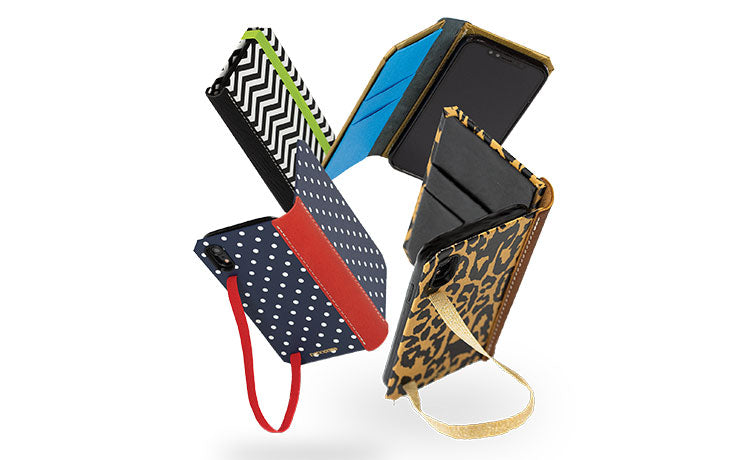

Dropping a brand new, thousand-dollar piece of glass onto a concrete pavement will instantly spike your heart rate. Protecting that high-value investment forces a crucial decision that alters the daily tactile experience of your most frequently used possession.
The premium phone accessory market pushes two dominant materials competing for your cash: genuine leather and high-grade silicone. Both options project entirely different aesthetics while offering distinct structural defenses against gravity.
Leather promises a sophisticated, aging profile that fits right into a professional wardrobe. Silicone brings high-friction security and vibrant color choices to keep the device firmly attached to your hand.
Finding the perfect match goes far beyond simply picking a favorite color.
Key Takeaways
- Silicone cases provide superior shock absorption by bouncing slightly upon impact, whereas rigid leather transfers more force directly into the phone.
- Genuine leather develops a rich, dark patina through natural oils and friction, while silicone tends to develop permanent shiny spots in high-contact areas over time.
- The smooth finish of leather slides effortlessly into tight pockets, completely avoiding the frustrating friction and pocket lint accumulation associated with rubbery silicone.
- Silicone requires zero specialized maintenance and can be washed easily with dish soap, while leather demands specialized conditioners to prevent the organic fibers from drying out.
Aesthetics and Visual Evolution
The visual appeal of a phone accessory often dictates the initial purchase decision. Leather and silicone present completely opposing design philosophies, catering to distinct visual tastes and style preferences.
Comparing the outward appearance of these two materials highlights how they represent different approaches to modern device presentation.
The Premium Presentation of Leather
Genuine leather projects a sophisticated, professional appearance that naturally feels luxurious. Each piece of leather features a unique natural grain and texture, ensuring no two products look exactly identical.
The material carries an inherent warmth and an organic quality that contrasts sharply with the cold glass and metal of the iPhone. Investing in a beautifully crafted leather iPhone case often complements professional wardrobes, briefcases, and luxury car interiors, making it a popular choice for users who want their technology to blend seamlessly with traditional high-end fashion.
The Vibrant Versatility of Silicone
Silicone offers a sleek, modern, and matte finish that aligns perfectly with contemporary minimalist aesthetics. The manufacturing process allows silicone to be dyed in a vast array of bright, uniform colors.
From neon brights to muted pastels, silicone provides exact color matching that remains perfectly consistent across the entire surface of the product. The smooth, uninterrupted surface gives the device a cohesive, molded look that highlights the original shape of the phone without adding visual clutter.
The Aging Process: Patina vs. Shine
Time alters the appearance of both materials in drastically different ways. Leather naturally darkens, softens, and develops a unique patina over months of daily handling.
The natural oils from human hands, exposure to sunlight, and general friction create rich variations in color that many users find highly desirable. Silicone behaves differently under the same conditions.
Instead of developing a rich patina, the matte finish of silicone eventually wears down. High-contact areas will gradually develop shiny, greasy-looking spots that cannot be washed away, making the cover look worn rather than distinguished over time.
Tactile Experience and Daily Usability

How a phone feels in your hand dictates your daily comfort with the device. The texture and friction of the exterior surface directly influence how securely you hold your phone and how easily you interact with the physical hardware.
Grip and In-Hand Security
Silicone is famous for its high-friction, rubbery traction. Holding a silicone exterior feels incredibly secure, heavily reducing the chances of the device slipping out of a sweaty palm or sliding off a slanted table.
This grippy texture acts as an immediate safety net during one-handed use. Leather provides a smoother, softer feel that is undeniably pleasant to the touch but inherently more slippery.
While a brand new leather surface has a slight tackiness to it, it eventually polishes to a smooth finish that requires a slightly firmer grip to prevent accidental drops.
The Pocketability Factor
The friction that makes silicone so secure in the hand becomes a noticeable drawback during storage. Sliding a silicone cover into tight denim pockets or a densely packed bag often results in heavy resistance.
The rubbery surface frequently grabs onto fabric, pulling pocket linings inside out upon removal. Leather easily outshines synthetic rubber in this specific category.
A smooth leather surface slides effortlessly into and out of tight pockets, making it significantly more convenient for quick, repeated access throughout the day.
Hardware Interactivity and Profile
Physical interaction with the phone's side buttons changes depending on the material wrapping them. High-end leather options frequently utilize separate, machined metal buttons built directly into the frame, preserving the crisp, tactile click of the original hardware.
Silicone covers typically mold a continuous layer of rubber over the buttons, which can dampen the physical feedback and make presses feel slightly mushy. Regarding magnetic accessories, both materials support MagSafe integration, but leather often features a stiffer backplate that maintains a highly rigid and flush connection with magnetic wallets and chargers.
Protection and Structural Durability

A case must defend a fragile glass device against gravity and sharp objects. Leather and silicone utilize completely different physical properties to absorb damage and protect the technology secured inside.
Impact and Shock Absorption
Silicone excels at mitigating kinetic energy. Upon impact with concrete or tile, a thick silicone layer acts like a rubber bumper, compressing and bouncing slightly to distribute the force of the drop away from the phone's glass chassis.
This elasticity makes it an exceptionally effective shock absorber. Leather is significantly more rigid and less shock-absorbent.
While a leather wrap will protect the metal frame from direct scuffs during a fall, the harder material transfers more of the impact force directly into the device, offering a lower ceiling of protection against severe drops.
Scratch and Scuff Resistance
Daily encounters with sharp keys and abrasive surfaces test the resilience of any exterior wrap. Leather handles minor scratches uniquely by absorbing them into its natural texture.
Small scuffs simply blend into the developing patina, adding character. However, a sharp object can deeply gouge leather, permanently tearing the hide.
Silicone generally resists light scratching exceptionally well, as metal keys tend to glide over the rubbery surface without leaving a mark. Under extreme pressure, though, silicone will tear rather than scratch, leaving a permanent gap in the material.
Long-Term Structural Integrity
Extended use exposes the common physical failure points of both materials. The outer layer of silicone frequently begins peeling or chipping at the corners where friction is highest.
Once the structural integrity of a silicone corner breaks, the material often continues to flake away in chunks. Leather rarely chips, but it does suffer from stretching and warping.
The thin strips of leather running over the volume buttons or wrapping around the bottom charging port are prone to sagging, fraying, and eventually snapping after a year or two of heavy daily usage.
Maintenance and Hygiene

Keeping a device clean requires different tactics depending on the exterior material. Certain surfaces repel dust effortlessly, while others seem to attract every loose fiber they touch.
Everyday Dirt and Debris Accumulation
Silicone has a notorious reputation as an absolute magnet for pocket lint, dust, and pet hair. The same tacky surface that provides excellent grip also grabs onto microscopic debris, requiring frequent wiping to maintain a clean appearance.
Darker colored silicone highlights this issue heavily. Leather presents a naturally dust-repellent surface.
Lint and hair simply fall off the smooth exterior, keeping the phone looking clean without requiring constant attention or brushing throughout the day.
Cleaning Procedures and Effort
Restoring a synthetic material is a straightforward task. You can confidently wash a dirty silicone surface in the sink using warm water and mild dish soap.
The material dries quickly and returns to its original matte state. Leather requires a much gentler, specialized approach.
Exposing genuine leather to standard soap strips away its natural oils, leaving it dry and prone to cracking. Maintaining leather requires applying specialized conditioners and gentle wiping with damp cloths to lift dirt without destroying the organic fibers.
Vulnerability to Liquids and Stains
Environmental hazards like rain, spilled coffee, and greasy food pose different threats. Silicone is entirely waterproof and highly stain-resistant.
You can wipe away grease, mud, or sugary liquids without leaving any permanent damage or discoloration on the synthetic surface. Leather is highly vulnerable to liquid damage.
Water can leave dark spots, while sweat and greasy food will permanently stain the organic material. Prolonged exposure to moisture can even cause leather to warp or develop mold if not dried properly.
Value Proposition and Lifestyle Alignment

Beyond physical attributes, choosing between these materials involves financial and ethical considerations. The right material should match your budget, your values, and your daily environment.
Price Point Comparison
Evaluating the upfront financial investment reveals a clear divide. High-quality, full-grain leather options typically carry a premium price tag, reflecting the cost of animal sourcing, tanning, and specialized manufacturing.
Standard silicone covers are generally much more affordable to produce and purchase. The lower price of synthetic rubber makes it easier to buy multiple colors and swap them out, whereas a leather purchase is usually a singular, long-term investment meant to stay on the phone indefinitely.
Matching the Case to the Persona
Selecting the right material ultimately depends on how and where you use your phone. Silicone serves active, rugged, or budget-conscious users perfectly.
Its superior drop protection, easy cleaning, and secure grip make it ideal for gym-goers, parents, and outdoor enthusiasts. Leather serves professionals and users prioritizing a premium, classic aesthetic.
If your phone sits on an office desk or frequently slides into a tailored suit pocket, the sophisticated look and smooth texture of leather perfectly complement a more refined daily routine.
Conclusion
Leather and silicone both offer distinct advantages for protecting your daily device. Leather stands out for its premium aesthetics, its ability to slide effortlessly into tight pockets, and the highly desirable patina it develops over months of use.
Silicone excels in providing a secure, rubbery grip, absorbing the shock of severe drops, and remaining incredibly easy to clean with simple soap and water. Neither material is objectively superior to the other.
The ideal choice strictly depends on your individual daily habits, your working environment, and your personal priorities regarding heavy-duty protection versus a sleek, classic style.
Frequently Asked Questions
Do leather phone cases protect as well as silicone ones?
Leather offers less protection against severe impacts compared to silicone. While a leather wrap defends the metal frame against direct scratches, its rigid structure transfers more kinetic energy directly into the glass during a drop. Silicone acts as a bouncing bumper to absorb heavy shocks.
Why does my silicone case attract so much lint?
The rubbery surface that provides excellent grip also acts as a magnet for microscopic debris. Silicone has a naturally tacky exterior that grabs onto loose fabric fibers and pet hair whenever you slide it into a pocket or bag. Washing it frequently is the only solution.
Can I wash a leather phone case with water?
You should never wash genuine leather with standard soap and water. Exposing organic leather to excess moisture strips away its natural oils, which eventually causes the material to dry out and crack. You must clean it using specialized leather conditioners and a lightly damp cloth.
Will a silicone case develop a patina over time?
Silicone does not develop a patina like organic leather does. Instead of darkening into a rich color, the matte finish of synthetic rubber simply wears down from the friction of your hands. This wear results in permanent, greasy-looking shiny spots in high-contact areas.