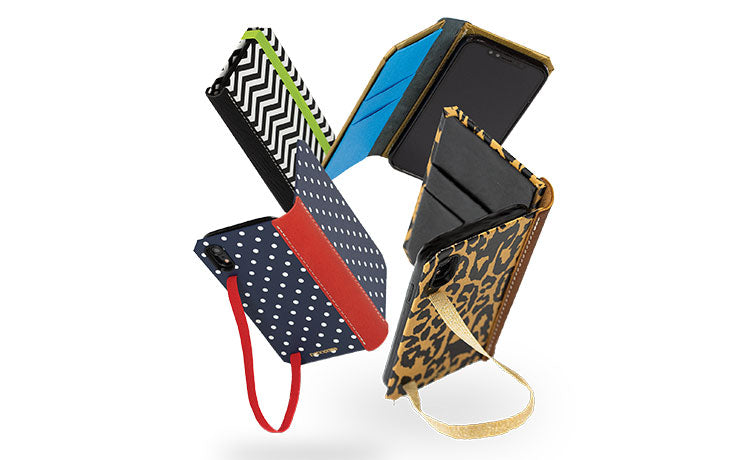

Apple changed the way users interact with their phones by introducing MagSafe technology. This system utilizes a ring of internal magnets to align wireless chargers and attach accessories securely.
A MagSafe case is more than just a protective shell; it embeds a corresponding magnetic array directly into its material to maintain that connection. Standard cases often block the signal or weaken the magnetic hold, but a MagSafe-equipped cover ensures the phone snaps perfectly onto mounts, wallets, and battery packs.
What Is a MagSafe Case?
A MagSafe case serves as a bridge between an iPhone and external accessories, ensuring that protection does not come at the cost of functionality. While they often look identical to traditional phone covers on the outside, the internal engineering sets them apart.
These specialized cases are designed to extend the magnetic capabilities of the device through the protective material, preventing the signal interference that often occurs with standard silicone or plastic shells.
Defining the MagSafe Design
A true MagSafe case features a dedicated array of magnets embedded directly into the rear panel of the accessory. These magnets are positioned to match the internal coil and magnet system found inside compatible iPhones.
The primary goal is to extend the magnetic reach of the phone through the layers of the case. Without this built-in extension, the magnetic force from the phone itself is often too weak to penetrate the case material and hold onto a wallet or mount securely.
Manufacturers often include a specific sticker or ring on the interior of the case to mark the location of the magnets. High-quality versions also incorporate shielding materials to manage heat and ensure the magnetic field directs outward toward accessories rather than interfering with the device's electronics.
Practical Functionality and Mechanics
The technology relies on precise alignment to function correctly. When a user brings a MagSafe charger near the back of the case, the magnets snap the charger into the exact center of the charging coil.
This automatic positioning eliminates the trial and error often associated with standard Qi wireless charging, where a slight misalignment results in slow speeds or a complete failure to charge. The connection creates a physical lock as well as a functional one.
A distinct tactile click confirms that the accessory is engaged. This mechanism allows for vertical or floating mounts where the phone stays suspended solely by magnetic force, making it safe to use on car dashboard mounts or elevated desk stands.
MagSafe Cases vs. Standard Cases
The most obvious difference between these two categories is the presence of the magnetic ring, which is often visible on clear MagSafe cases or hidden inside opaque ones. Standard cases lack this component entirely.
If a regular case is placed on a MagSafe charger, the power might pass through if the material is thin enough, but the magnetic grip will be non-existent or dangerously weak. A standard case relies on gravity or friction to stay on a charging pad.
In contrast, a MagSafe case actively grabs onto the charger or accessory. This distinction is critical when using items that require a strong hold.
A regular case might allow a phone to slide off a magnetic mount while driving, whereas a MagSafe case maintains a firm, reliable grip due to the reinforced magnetic array.
Compatibility and Requirements

Not every smartphone setup works with MagSafe cases immediately. The ecosystem relies on specific hardware integration within the device itself to function as intended.
While the physical case might fit various phone dimensions, the magnetic features require a compatible host device to activate the full range of charging and mounting capabilities.
Supported iPhone Models
Apple integrated the MagSafe system starting with the iPhone 12 lineup. Every flagship model released since then includes the necessary internal circular array of magnets.
This covers the standard models, the Mini versions, and the Pro or Pro Max variants. Each generation maintains the same general alignment standards, meaning a charger purchased for an earlier model will still snap correctly onto the newest release.
The internal copper charging coils and magnets are standardized, ensuring backward and forward compatibility across the ecosystem.
Physical fit remains model-specific even though the magnets are universal. The camera bumps on Pro models have grown larger with each generation, which can sometimes interfere with wide accessories.
A case designed specifically for a certain model year ensures that the accessory lies flat against the back panel. If the case does not account for the camera ridge, the magnetic connection may be severed or weakened, preventing charging entirely.
Therefore, verifying that the case matches the exact iPhone model is necessary for the magnets to align without obstruction.
Enabling Diverse Accessories
A MagSafe case transforms the back of the phone into a versatile utility platform. The primary accessory is the wireless charger, but the utility extends much further.
Magnetic wallets snap directly onto the case, removing the need for separate bulky pockets. Car mounts and desk stands utilize the magnets to hold the phone suspended in the air without clamps or sticky adhesives.
Portable battery packs are another popular add-on, attaching securely to the device to charge while in a pocket or bag.
The construction of the case dictates how well these accessories perform. If a case is too slick, a heavy power bank might slide off during movement.
If the case material is too thick over the magnet ring, the connection strength drops, making heavy accessories like car mounts dangerous to use while driving. Manufacturers must balance protective thickness with magnetic permeability to ensure these heavy items stay attached.
A well-engineered case provides enough friction to keep a wallet in place while ensuring the magnetic pull is strong enough to support the weight of the phone on a floating stand.
Usage with Older iPhones and Android
Owners of older Apple devices or Android smartphones can still access parts of this ecosystem through adapters. Third-party manufacturers produce cases for Samsung, Google, and older iPhones that include a magnetic ring embedded in the back.
Alternatively, users can apply an adhesive magnetic ring to the back of a standard case or directly onto the phone. This modification allows non-MagSafe phones to use magnetic mounts, tripods, and wallets just like the newer iPhones.
Limitations exist regarding charging speeds and software features. While the magnets provide the physical connection, they do not upgrade the phone's internal charging hardware.
An Android phone will still charge at its standard Qi wireless rate rather than the faster speeds often available to official MagSafe devices. Furthermore, the specific charging animations and battery status integrations found on iOS will not appear on other operating systems.
The physical utility of the "snap-on" mechanism is preserved, but the deep software integration remains exclusive to the supported iPhone models.
Benefits of MagSafe Cases

MagSafe cases offer specific advantages that go beyond simple scratch or drop protection. They act as a functional upgrade for the device, streamlining how users interact with power sources and peripherals throughout the day.
By integrating a magnetic array directly into the protective shell, these cases solve common frustrations associated with wireless charging and mounting systems.
Optimizing Wireless Charging
The most immediate improvement users notice is the stability of the charging connection. Traditional wireless charging often requires precise placement on a pad, where even a slight misalignment can stop the power flow or generate excessive heat.
A MagSafe case corrects this by snapping the phone into the perfect position every time. The internal magnets guide the device so that its receiving coil aligns directly with the charger's transmitter.
This automatic alignment prevents the common issue of waking up to a dead battery because the phone vibrated off the "sweet spot" during the night. It also ensures the device charges at its maximum potential speed.
When coils are perfectly aligned, energy transfer is efficient, and less energy is lost as heat. Users no longer need to double-check the charging icon or adjust the phone repeatedly; the physical connection guarantees that the charging process is active and secure.
Convenience and Versatility of Accessories
MagSafe cases unlock a modular ecosystem of accessories that attach and detach in seconds. This system replaces the need for permanent adhesives, metal plates, or bulky mechanical clamps.
A user can transition from a magnetic wallet used during the day to a dashboard mount in the car, and then to a floating bedside stand at night, all without removing the case or dealing with sticky residues.
The snap-on mechanism is particularly useful for portable power. Battery packs can attach securely to the back of the case, allowing the user to continue using the phone normally while it charges wirelessly.
This eliminates the need for dangling cables that can snag on objects. In the car, magnetic mounts hold the phone firmly for navigation but allow the driver to grab the device instantly when exiting the vehicle.
The ease of swapping these accessories encourages people to utilize their device's features more fully.
Combining Protection with Functionality
Engineers design these cases to balance robust physical defense with magnetic permeability. In the past, heavy-duty protective cases were often too thick for wireless signals or magnets to penetrate effectively.
Modern MagSafe cases solve this by embedding the magnet ring within layers of polycarbonate or silicone, ensuring the magnetic force remains strong even through rugged materials.
This construction means users do not have to compromise on safety to gain utility. A high-quality MagSafe case will still feature raised edges to protect the screen and camera lenses, along with shock-absorbing corners to handle drops.
The materials are specifically chosen to provide grip, preventing slips, while the integrated magnets ensure that the connection to accessories remains powerful. This dual focus allows the phone to survive daily wear and tear while maintaining its status as a central hub for the user's digital accessories.
Potential Drawbacks and Limitations
While the technology offers distinct advantages, it introduces specific compromises that might not suit every user. The integration of magnetic components changes the physical properties of the case and affects the price point.
Buyers must evaluate if the added utility justifies the higher cost and potential changes to the look and feel of their device.
Price Considerations
The most immediate barrier for many consumers is the cost difference. MagSafe cases consistently command a higher price than their non-magnetic counterparts.
This premium exists because manufacturing these cases requires additional materials, specifically the copper-graphite shield, the magnet array, and the alignment magnet. Producing a standard silicone or plastic shell is a straightforward injection molding process, whereas embedding a precise magnetic system adds complexity and expense to the production line.
Licensing fees also play a role in the final retail price. Cases that are officially certified by Apple under the "Made for MagSafe" program must adhere to strict guidelines and pay royalties, which get passed down to the consumer.
Even third-party options that lack official certification but still include high-quality magnets tend to be more expensive than basic protective covers. For a user who has no intention of using magnetic accessories, paying an extra twenty or thirty dollars for a feature they will never use is difficult to justify.
Bulk, Design, and Comfort
Adding a ring of magnets to the back of a phone case inevitably impacts its physical design. To accommodate the hardware, the back panel of the case often needs to be slightly thicker than an ultra-slim skin.
Users who prefer a minimalist, barely-there feel might find that MagSafe cases add a noticeable amount of rigidity and weight. While the difference is measured in millimeters and grams, it can alter how the phone feels in the hand or fits in a tight pocket.
Aesthetics also become a point of contention, particularly with clear cases. Since the magnets are opaque, manufacturers cannot hide them in a transparent design.
This results in a visible white or metallic circle on the back of the case, which some users find unattractive or distracting. Opaque cases hide the ring internally, but the requirement for the magnet array limits how thin the back material can be.
Furthermore, some users report that the magnetic ring creates a pressure point or an uneven surface that is uncomfortable to hold for extended periods.
Technical and Safety Concerns
Heat management is a critical factor when dealing with wireless charging. Transferring energy wirelessly generates thermal energy, and adding a case layer between the charger and the phone can trap that heat.
While high-quality MagSafe cases are designed to dissipate this thermal buildup, poorly constructed third-party options may act as insulators. Excessive heat can cause the phone to throttle its charging speed to protect the battery, or in severe cases, cause the charging process to stop altogether until the device cools down.
Magnet strength varies significantly between brands, leading to potential safety issues for the device. A case with weak magnets might feel secure in the hand but fail to hold the phone when subjected to vibrations in a car or the sudden movement of a floating stand.
A dropped phone due to insufficient magnetic grip is a real risk with cheaper alternatives. Additionally, users must be cautious about magnetic interference.
Placing credit cards or hotel keys with magnetic strips directly between the phone and a MagSafe charger without a shielded wallet accessory can demagnetize the cards, rendering them useless.
How to Choose the Right MagSafe Case

Selecting the correct case involves more than just picking a favorite color or material. With the market flooded by accessories claiming magnetic capabilities, identifying a high-quality product requires attention to technical details and build quality.
The goal is to find a cover that integrates seamlessly with your daily routine while providing the specific level of protection your device needs.
Verifying Compatibility and Certification
The first step in narrowing down the options is ensuring the case contains actual magnetic hardware. Many products are marketed as "wireless charging compatible" or "thin enough for MagSafe," which often means they lack the internal magnet array and merely allow a weak signal to pass through the plastic.
To guarantee a secure connection, look for explicit language stating the case includes built-in magnets. Official "Made for MagSafe" branding from Apple indicates the accessory meets strict performance guidelines, but many reputable third-party brands also offer "MagSafe Compatible" cases that perform exceptionally well.
Checking manufacturer specifications can reveal the strength of the magnets used. Some brands will list the grade of magnets, such as N52, or provide a pull-force rating.
Watch for tests where the reviewer shakes the phone to see if the accessory detaches. A true MagSafe case should support the weight of the phone when held by a charging cable or mount without slipping.
If the packaging is vague or the price seems suspiciously low, the case likely relies on a thin back panel rather than active magnetic components.
Matching Design to Lifestyle
Personal usage habits should dictate the physical style of the case. For users who work outdoors or are prone to dropping their devices, a rugged case with reinforced corners and a raised bezel is necessary.
However, heavy-duty armor must not be so thick that it distances the internal magnets from the accessory, as distance drastically reduces magnetic pull. Conversely, office workers or minimalists might prefer a slim profile that slides easily into a pocket.
While these thinner cases offer less drop protection, they often provide the strongest magnetic connection because there is less material between the phone and the charger.
Texture and grip are equally important factors. A silicone case offers excellent friction, preventing the phone from sliding off a console or desk, but it can be difficult to pull out of a tight pocket and tends to collect lint.
Hard polycarbonate or leather cases slide easily into pockets but may be slippery in the hand. Additionally, consider the camera protection.
The raised lip around the camera lenses must be high enough to protect the glass but low enough not to interfere with wide MagSafe accessories like battery packs. If the camera ridge is too prominent, it might prevent a flat battery bank from sitting flush against the magnet ring, severing the connection.
Assessing Durability and Magnet Strength
Long-term performance often differs significantly from the out-of-the-box experience. Clear cases are popular for showing off the phone's color, but they are notorious for yellowing over time due to UV exposure and oils from the skin.
When choosing a clear option, look for materials treated with anti-yellowing agents to maintain clarity. For leather or faux-leather options, consider how the material will age.
High-quality leather develops a patina, while cheaper synthetic alternatives may peel or crack at the edges after a few months of use.
Magnet strength can also degrade or fail in poorly constructed cases. In some budget options, the magnets are held in place by weak adhesives and can pull out of the case when detaching a strong accessory.
Reading user feedback regarding the longevity of the magnet ring is crucial. Users will often report if the ring eventually separates from the case body or if the interior lining scratches the back of the phone.
A durable case should maintain its structural integrity and magnetic force even after months of daily attaching and detaching from car mounts and chargers.
Conclusion
A MagSafe case functions as more than a simple guard against drops; it acts as a permanent link to an entire ecosystem of tools. By embedding the necessary magnets directly into the protective material, these cases ensure that safety does not come at the expense of performance.
This integration provides a consistency that standard cases cannot match, allowing chargers, mounts, and wallets to snap into place without hesitation or adjustment. The result is a device that feels less like a fragile piece of glass and more like a modular hub ready for any environment.
The decision to invest in this technology rests on personal habits and priorities. If daily routines involve frequent wireless charging or the use of magnetic stands, the convenience and reliability of a dedicated case offer a significant upgrade.
Conversely, those who rarely use accessories or prioritize the absolute lowest price might not see the same value. Balancing the desire for a streamlined experience against the budget and design preferences will help determine if this accessory is the right addition to your device.
If you decide MagSafe is worth it, browse our full range of handcrafted iPhone cases — including MagSafe-ready shockproof designs made in our USA workshop.